English
 简体中文
简体中文 Русский
 Español
 ไทย
ไทย Tiếng Việt
 Bahasa Melayu
 Bahasa Indonesia
 لالعربية
 Deutsch
Industrial Coding Printer: What to Spec Before You Commit to One
Release time:
2026-10-06
How to specify an industrial coding printer: match the technology to your substrate and line speed, weigh cost of ownership over price, and fix support terms.
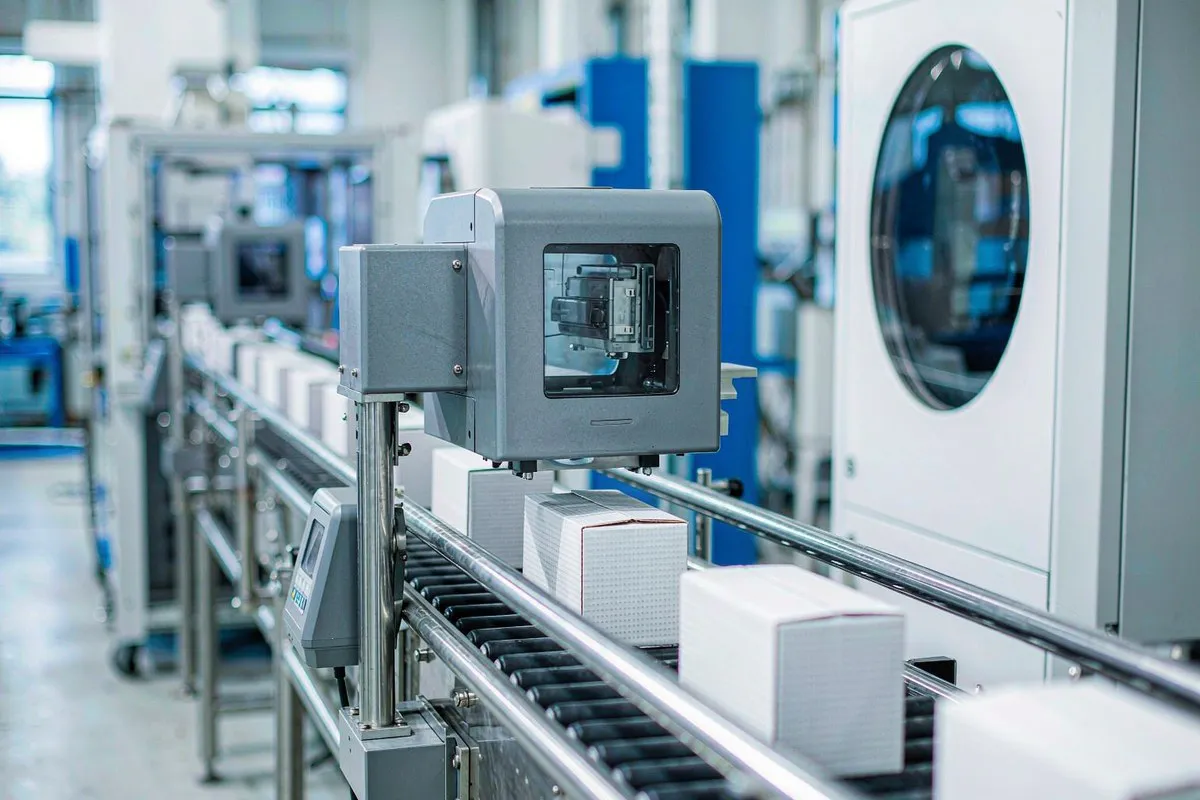
Summary: Specifying an industrial coding printer starts with the substrate and the code, not the machine shortlist. This guide covers which technology fits which job, why lines per minute is the wrong first question, how cost of ownership beats purchase price, and what support terms belong in the contract.
Start With the Substrate, Not the Machine
Every bad coding decision I have seen started with a machine shortlist. The right start is the surface you are marking.
Coated carton, bare PET, laminated film, extruded profile, moulded crate. Each one narrows the technology before price enters the room. A machine that runs beautifully on carton can be the wrong purchase on shrink film.
Which Technology Fits Which Job
Continuous inkjet handles porous and curved surfaces, runs fast, and tolerates a dirty environment. It needs solvent, maintenance and a bit of respect.
Drop-on-demand covers larger characters and case coding where speed is moderate and print quality matters more than throughput. Thermal inkjet suits high-resolution short runs on coated stock.
Buyers who specify one technology across the whole plant usually regret it. Two machines, each doing what it is good at, often costs less than one compromise doing everything badly.
Lines Per Minute Is the Wrong First Question
Ask instead: how many characters per code, how many codes per minute, and how many production hours a day. A line running 60 packs a minute with a nine-character date code is a very different load from one running 20 cartons a minute with a full lot block.
Then ask who changes the message. If an operator does it at the HMI three times a shift, the interface matters more than the print resolution on the datasheet.
Cost of Ownership Beats Purchase Price
Consumables, filters, service intervals, and how long the head survives an ordinary cleaning routine. Those four lines decide the annual bill.
Ask a supplier to quote twelve months of consumables alongside the machine. The answer separates sellers from partners faster than any factory visit.
Support in Writing
Response time, spare parts availability, and who trains your operators. Get it in the contract.
An industrial coding printer is a ten-year purchase. The invoice is the smallest number in the decision, and the one everybody argues about.
Related part reference: Linx FAC1010-FAC1240 ink RFID chip.
Related part reference: Leibinger 71000-00102 solvent chip.
For more on CIJ TIJ consumables and compatible chips, browse our industry insights.
Related products:
related news


E-mail address:
Hotline:
All referenced brand names including Linx, Imaje, Domino, VJ are used solely for illustrating product compatibility scope.
Topmark has no affiliation, authorization, partnership or official endorsement with any industrial printer manufacturers.
All products offered by Topmark are third-party compatible consumables, not genuine original OEM spare parts.
No trademark ownership is claimed for any trademarks mentioned herein.