English
 简体中文
 Русский
 Español
 ไทย
 Tiếng Việt
 Bahasa Melayu
 Bahasa Indonesia
 لالعربية
 Deutsch

Willett Ink Chip Buying Guide: Fit, Validation and Stock Checks
Release time:
2026-11-03
How to buy a Willett ink chip for legacy coders: match the cartridge reference first, check validation dates, and filter suppliers with five questions.
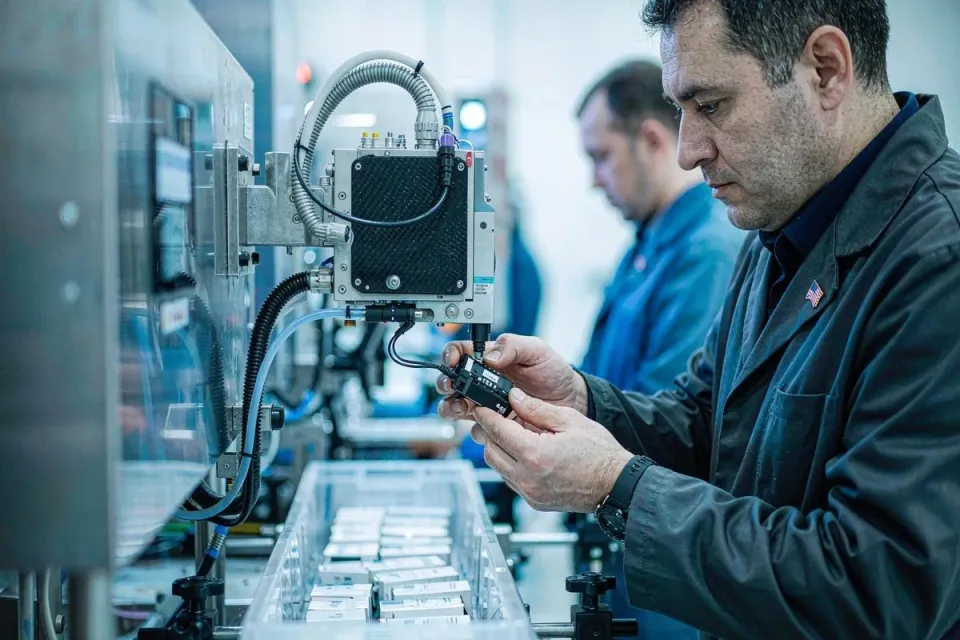
Summary: Willett printers still run shifts worldwide, and every one of them waits on a working ink chip. This guide covers what the chip governs on a Willett, why the cartridge reference matters more than price, how validation dates predict shelf life, the five questions that filter chip suppliers fast, and the storage habits that keep legacy-fleet fault rates near zero.
Why the Willett Installed Base Still Buys Chips
Willett printers stopped leaving the factory years ago, but walk through a food plant, a brick yard or an extrusion line in almost any industrial region and you will still find a 43s or a 630 running a shift. The machines were built to outlive their marketing. The catch is consumables: the chip on each ink cartridge carries the fluid reference, the batch and the expiry date, and when the printer rejects that chip, the whole line waits on a small plastic board. That is why Willett ink chip purchases keep showing up on procurement lists long after the printer itself has been written off.
What the Chip Actually Governs on a Willett
On these machines the chip is not decoration. It tells the controller which ink family is loaded, so a make-up or cleaning cartridge cannot pass as ink. It carries a countdown that the printer treats as a hard limit, and it stores lot data your quality department may be asked to produce during an audit. A chip that reads wrong does not degrade print quality gradually - the machine simply refuses to start, usually at the worst moment of the shift. Understanding that the chip is a gatekeeper, not an accessory, changes how seriously you take the buying process.
Match the Cartridge Reference Before the Price
The most expensive chip is the one that arrives and does not fit. Willett cartridge families changed over the years, and boards built for one generation do not read correctly in another host even when the plastic shell looks identical. Before you compare a single quote, pull one used cartridge from your own floor, note the printed reference and the chip marking, and send both to the supplier. Any seller who answers "yes, it fits Willett" without asking for that reference is guessing, and you will pay for the guess in downtime. Suppliers who deal in compatible chips daily, like our chips-rfid-tags range, ask for the reference themselves - treat the ones who do not as a warning sign.
Validation Dates Beat Production Dates
Chips age on the shelf. The memory cells that hold the expiry logic drift over time the same way batteries lose charge in a warehouse, so two chips with the same production date can behave differently a year later. Ask every supplier for the validation date - the date the chip was last verified against a real machine - not just when it was made. A chip validated six months ago is a safer purchase than one validated three years ago, even at a higher price. And when a shipment arrives, bench-test a sample on one machine before committing a full line change; ten minutes of testing protects a week of production.
New, Compatible, or Refilled: Sorting the Market
You have three realistic options. Original-stocked chips exist but the supply thins every year and the price reflects scarcity more than quality. Compatible chips, built to match the memory map of the original, now dominate the market and - from serious suppliers - perform identically on the floor. Refilled or reprogrammed used chips sit at the bottom: sometimes fine, but the second failure always lands during your longest batch. My rule after years of service calls: run the fleet on compatible chips bought by exact reference and validation date, keep one original-stocked spare per machine for peace of mind, and refuse reprogrammed boards unless the seller puts a replacement guarantee in writing.
The Five Questions That Filter Suppliers
Most chip problems trace back to the supplier, not the part. Five questions separate the professionals from the box-shifters. One: which cartridge references does this chip match exactly? Two: what is the validation date of current stock? Three: what is your replacement policy when a chip fails on our line - argument or swap? Four: how do you pack and ship, given that heat and condensation kill chips in transit? Five: can you hold buffer stock for our fleet? A supplier who answers all five without hedging, the way our willett-rfid-chip listings are structured, has already done the work; a supplier who hedges on any one of them is selling you their uncertainty.
Storage and Handling Habits That Prevent Faults
More chips die in storage than in printers. Heat flattens memory, so the shelf above a radiator or a sunny loading dock is where stock goes to fail. Condensation corrodes contacts in damp warehouses - keep every chip in its antistatic sleeve until the moment of installation, and let cold shipments acclimatise before opening the box. Rotate by validation date and write the received date on each box; FIFO sounds like bureaucracy until it is the reason your fault rate is near zero. Plants that follow these three habits rarely call us about chips at all, which is exactly the point.
When to Consider Moving Past the Legacy Fleet
Buying chips well keeps a Willett fleet alive, but be honest about the arithmetic. If a machine needs consumables you can only source in single digits, or its service window keeps growing, the total cost of keeping it may pass the cost of a modern coder within a couple of years. The disciplined approach is to keep buying verified chips for machines that run clean, and to schedule replacement for the ones that generate constant consumable arguments. Either way, the chip ledger is the best early-warning system you have: when orders per machine per quarter start climbing, that printer is telling you something before it fails.
FAQ
Do Willett chips work in VJ machines? Some cartridge families were carried across after the brands merged, but the memory maps differ - always match by exact cartridge reference, not by brand history.
How long do compatible chips last in storage? Two to three years in cool, dry conditions; the validation date matters more than the purchase date, so buy from stock that rotates.
Can one supplier cover both Willett and current-brand fleets? Yes - established compatible-chip sellers carry cross-brand ranges, which simplifies purchasing to one monthly order.
Related part reference: DM IC2bk124 solvent ink chip.
For more on CIJ TIJ consumables and compatible chips, browse our industry insights.
Related products:
related news


E-mail address:
Hotline:
All referenced brand names including Linx, Imaje, Domino, VJ are used solely for illustrating product compatibility scope.
Topmark has no affiliation, authorization, partnership or official endorsement with any industrial printer manufacturers.
All products offered by Topmark are third-party compatible consumables, not genuine original OEM spare parts.
No trademark ownership is claimed for any trademarks mentioned herein.