English
 简体中文
简体中文 Русский
 Español
 ไทย
ไทย Tiếng Việt
 Bahasa Melayu
 Bahasa Indonesia
 لالعربية
 Deutsch
CIJ Ink Recovery Systems Reshape Compatible Ink and Solvent Choice
Release time:
2026-09-02
CIJ ink recovery systems are reshaping compatible ink and solvent choice, as buyers match fluids and chips to recirculation cycles that cut waste and downtime.
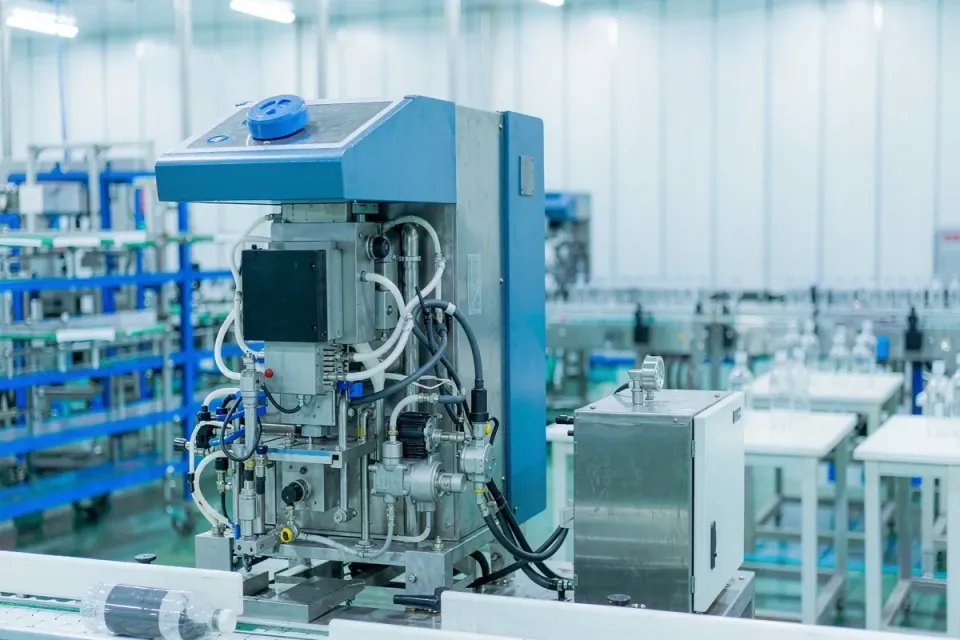
Summary: Ink recovery systems decide how much CIJ fluid you actually consume. Recirculation stresses ink and solvent, so compatible chips and fluids must be matched to the recovery cycle, not just the colour. This guide covers solvent pairing, cost-per-code and what to check before committing to a fluid range.
Ink recovery is the quiet part of a CIJ printer that decides how much you actually spend on fluids. Buyers spec ink and solvent by colour and price; the recovery system decides the real consumption: how much solvent evaporates, how often the printer tops itself up. Get that wrong and every compatible chip, ink and solvent order works against the machine.
How Ink Recovery Changes What the Ink Has to Do
CIJ printers pull unspent ink back through the gutter and recirculate it. That loop is hard on fluid: every pass shifts viscosity a little, and the solvent fraction drifts as the machine tops itself up. An ink built for a straight drop-and-print duty cycle will not behave the same after forty hours of recirculation. Fluid specs are not interchangeable across platforms. A compatible ink matched to the recovery cycle keeps print quality stable.
Matching Solvent and Makeup Fluids to the Recovery Cycle
Solvent does two jobs: it thins the ink and it cleans the nozzle. In a closed recovery loop those jobs pull against each other. Too much solvent and the code smears. Too little and the nozzle skips on a Friday afternoon. Makeup fluid selection is where buyers cut waste, because the refill rate is set by recovery efficiency, not print volume. Suppliers that document solvent specs against the same duty cycle as the ink are worth keeping.
Why Recovery Efficiency Cuts Consumable Cost Per Code
Watch cost per code, not price per litre. A well-tuned recovery system cuts solvent consumption, because less fluid gets dumped as waste. That margin shows up on lines running VJ or DM platforms where the same batch of compatible chips feeds several machines. When the recovery loop runs clean, cartridge counters stay honest and ink lasts closer to its rated yield.
New CIJ Launches Push Recovery Design Further
Newer CIJ heads push recovery design in two directions: faster cycles and tighter solvent control. Both put more stress on fluid formulation. Qualification windows for compatible chips and inks keep moving when firmware updates land. A chip that passed recognition on the previous generation may still be accepted while the fluid behaviour has changed. Re-validation is how buyers stay ahead of the firmware cycle.
What Buyers Should Check Before Committing to a Fluid Range
Before you lock in a fluid range, ask for recovery-cycle data, not just the flash point. Check how the ink holds viscosity over a long recirculation window. Confirm the makeup fluid is paired with the ink, not chosen by price. And make sure the chip supplier documents recognition stability against the firmware you run. The machine does the printing. The recovery system decides what the consumables cost you.
For more on CIJ TIJ consumables and compatible chips, browse our industry insights.
Related products:
related news


E-mail address:
Hotline:
All referenced brand names including Linx, Imaje, Domino, VJ are used solely for illustrating product compatibility scope.
Topmark has no affiliation, authorization, partnership or official endorsement with any industrial printer manufacturers.
All products offered by Topmark are third-party compatible consumables, not genuine original OEM spare parts.
No trademark ownership is claimed for any trademarks mentioned herein.