English
 简体中文
 Русский
 Español
 ไทย
 Tiếng Việt
 Bahasa Melayu
 Bahasa Indonesia
 لالعربية
 Deutsch

Codificador de Latas: Choosing a Can Coding Machine That Lasts
Release time:
2026-10-23
Choosing a codificador de latas: compare CIJ versus TIJ on wet aluminium, size the coder to peak line speed, and keep chip stock current to avoid mid-run stops.
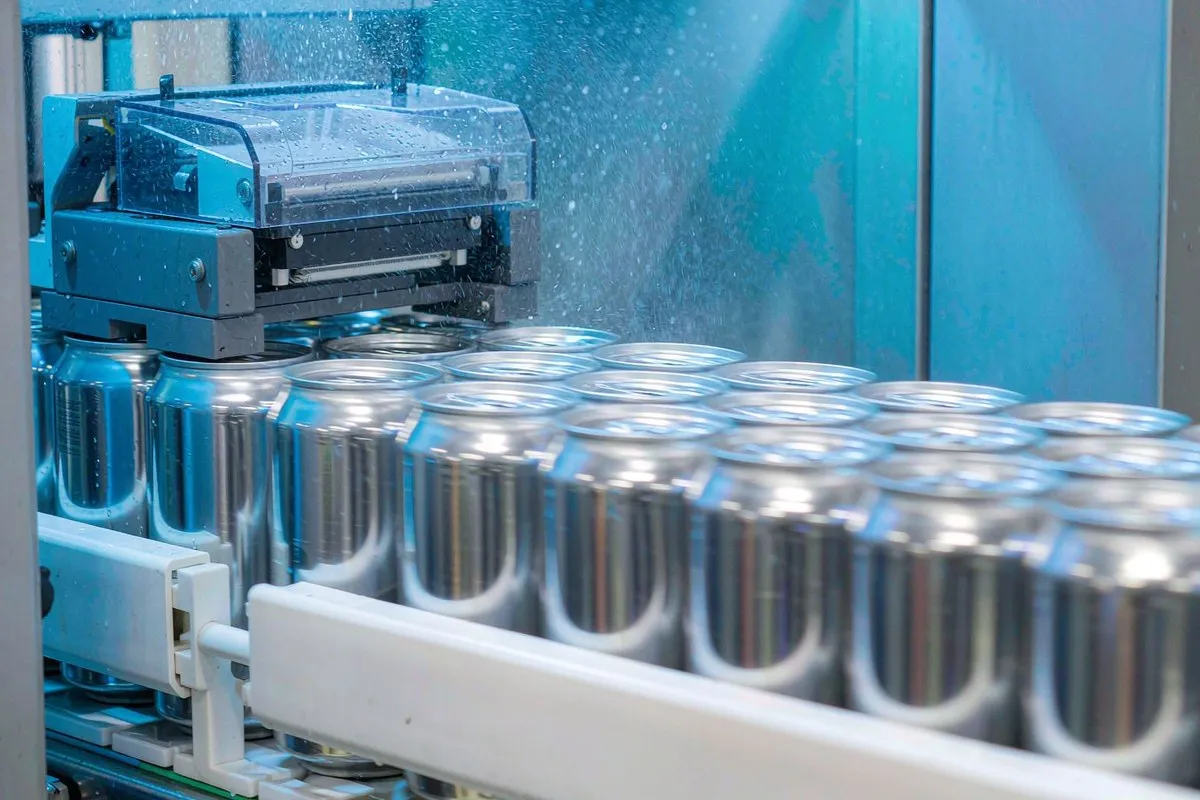
Summary: A codificador de latas lives in the harshest corner of a plant: wet cans, washdown, and peak speeds that spike. This guide covers what a can coder must survive, where CIJ beats TIJ on damp aluminium, sizing to peak rather than average throughput, why chip stock decides mid-run consistency, and the four supplier checks worth making before you commit.
What a Can Coder Has to Survive
A latas line is one of the wettest, coldest places a coder can be sent. Condensation beads on freshly filled aluminium, product temperature swings from chiller to filler, and rinse water finds every seam. A codificador de latas that reads well on the bench fails on the line for exactly these reasons. Before comparing brands, write down the three conditions that kill coders in canning: wet product, continuous washdown, and 24/7 duty. Any machine that cannot answer all three is a false economy.
CIJ or TIJ on Aluminium
Codificación de latas with a continuous inkjet (CIJ) head still dominates high-speed canning because it prints on curved, damp surfaces without contact and dries in under a second. TIJ cartridge systems win on cleanliness and print height, but their cartridges are happier on dry surfaces. If your cans sweat, CIJ with the right ink grade is usually the safer pick. Ask ink suppliers for a sample printed on your own cold, wet cans, not on their demo shelf.
Match the Machine to Line Speed
Rate the coder against your filler's peak, not its average. A line that spikes to 60,000 cans an hour for twenty minutes will expose a coder sized to the daily mean. Check that the print head keeps code quality at peak speed and that consumable changes fit inside your shortest planned stop.
Chips Decide Whether the Code Stays Consistent
The unglamorous part of uptime lives in consumable recognition. A coder that misreads its ink cartridge stops printing mid-run, and misreads cluster when chip stock is old or firmware has moved past it. Plants running DM coders often source compatible DM chips to keep the fleet fed without waiting on distributor lead times, and the same logic applies across most major CIJ brands. Buy chips by cartridge reference and validation date, store them cool, and rotate stock. It is a small discipline that removes one whole category of line stoppages.
Questions Worth Asking the Supplier
Ask for references from canneries with your water conditions, not just your speed. Ask what the service response looks like on a Sunday night. Ask which spare parts sit in your region and which fly in from abroad. Then test on your line: a two-week trial with your coldest cans and your fastest run tells you more than any datasheet. The buyer who verifies in these four places ends up with a codificador that still prints clean two years later, which is the whole point.
For more on CIJ TIJ consumables and compatible chips, browse our industry insights.
Related products:
related news


E-mail address:
Hotline:
All referenced brand names including Linx, Imaje, Domino, VJ are used solely for illustrating product compatibility scope.
Topmark has no affiliation, authorization, partnership or official endorsement with any industrial printer manufacturers.
All products offered by Topmark are third-party compatible consumables, not genuine original OEM spare parts.
No trademark ownership is claimed for any trademarks mentioned herein.