English
 简体中文
简体中文 Русский
 Español
 ไทย
ไทย Tiếng Việt
 Bahasa Melayu
 Bahasa Indonesia
 لالعربية
 Deutsch
Printer's Chip Supplier: How to Tell a Maker From a Reseller
Release time:
2026-09-29
How to tell a printer‘s chip supplier who manufactures from one who only resells: factory questions, batch documents and the signs that expose a trader.
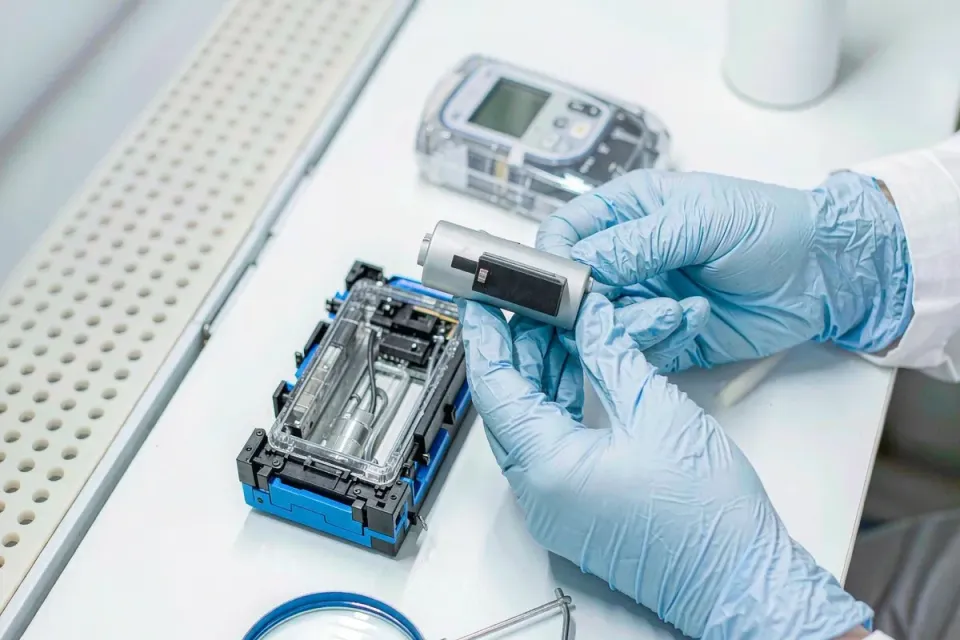
Summary: Every printer's chip supplier says the same thing: own factory, tested batches, best price. The real difference shows up in how they answer technical questions and what documents arrive before you ask twice. Manufacturers answer with specifics; resellers forward the question and come back with a price.
Search for a printer's chip supplier and you get pages of near-identical listings. Same claims, similar photos, prices within a few percent. Most buyers pick on price and find out six weeks later which kind of supplier they were talking to. The signals are there early. You just have to ask for them. ## The three questions that do the sorting Which factory produces the chip, and can you name it. A manufacturer answers with a location and often a production line. A reseller answers with a country, or changes the subject to price. Which firmware revisions has this batch been validated on. A manufacturer has a list. A reseller forwards your question and comes back with "compatible with all models." What is the batch code on the goods you would ship me today. A manufacturer reads it off the carton. A reseller has to check with someone. ## Documents a real maker sends without being asked twice A supplier who produces the part keeps two documents on hand: a declaration of conformity for the electronic component, and a batch test report. If you have to ask three times for a batch test report, you are talking to a trading desk. The chip itself may still be fine, but nobody in the conversation has seen the production run. ## Pricing that gives the structure away A manufacturer's price moves with quantity in steps and holds steady between orders. A reseller's price tracks whatever their upstream charged that week. Quotes that swing 15% between two orders a month apart, with no raw material news in between, tell you the supplier buys to order rather than holding production. ## When a trader is the right choice For a ten-piece sample, a trader with stock ships today and a factory quotes three weeks. If you need one cartridge to get a line running this week, buy from whoever has it. The mistake is buying volume from that same source. Sample from a trader, validate, then negotiate volume with the party who actually makes the part. ## Testing whatever arrives Pull ten units from different positions in the carton and fit them on a machine known to be working. Log the batch code on each one. Two failures out of ten is not a quality blip. It is a batch problem, and the rest of the carton will behave the same way within weeks. For buyers working across several coder brands, it also pays to consolidate. Ordering CIJ consumables and compatible chips and RFID tags from one validated source cuts freight, paperwork and the suppliers you have to audit. Teams running mixed fleets of VJ and DM machines usually find one audited source beats four cheap ones.For more on CIJ TIJ consumables and compatible chips, browse our industry insights.
Related products:
related news


E-mail address:
Hotline:
All referenced brand names including Linx, Imaje, Domino, VJ are used solely for illustrating product compatibility scope.
Topmark has no affiliation, authorization, partnership or official endorsement with any industrial printer manufacturers.
All products offered by Topmark are third-party compatible consumables, not genuine original OEM spare parts.
No trademark ownership is claimed for any trademarks mentioned herein.