English
 简体中文
简体中文 Русский
 Español
 ไทย
ไทย Tiếng Việt
 Bahasa Melayu
 Bahasa Indonesia
 لالعربية
 Deutsch
Where to Buy Bentsai Compatible Chips: Wholesale Supplier Guide
Release time:
2026-09-04
Bentsai compatible chips keep CIJ coders printing without original-cartridge prices. This guide shows wholesale buyers how to vet suppliers and test first.
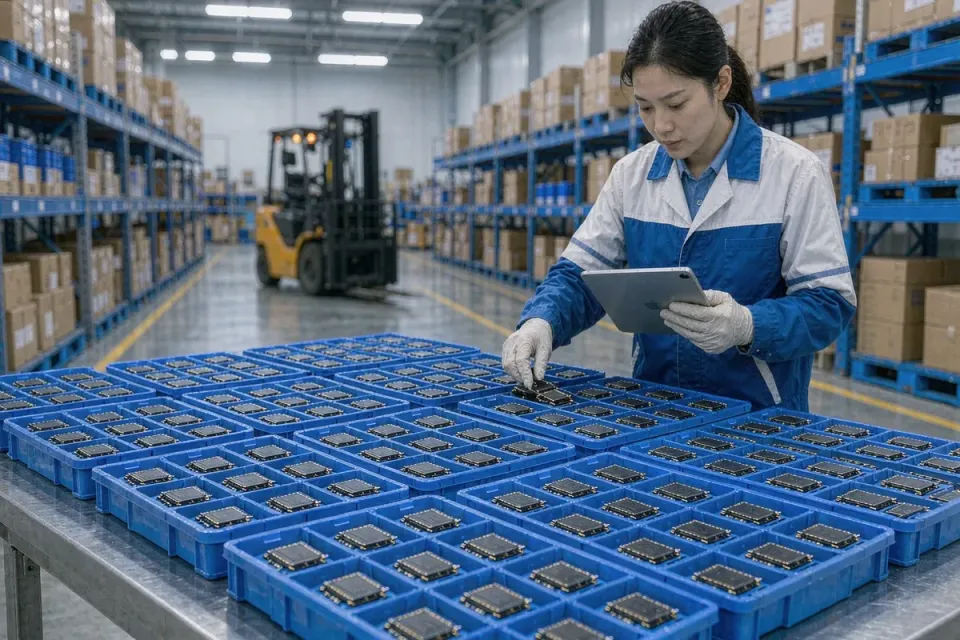
Summary: Bentsai printers are spreading through packaging and food plants, and their original cartridges cost real money. Compatible chips change that math, but only if the supplier ships what the label promises. This guide walks through how wholesale buyers actually source Bentsai compatible chips: which cartridge types matter, what a serious vendor proves before shipment, how first trials get priced, and the recognition tests that separate usable stock from returns.
Bentsai TIJ coders have landed in a lot of plants over the past three years — snack lines, bottled water, egg cartons, pharma cartons. The printers are fine. The cartridges are where budgets start to hurt, because every cartridge carries its own smart chip and the original price reflects that. So the buying question that lands in our inbox most weeks is the same one: where do we get Bentsai compatible chips that actually work, in volume, without surprises?
What a Bentsai Compatible Chip Actually Does
The chip is not a gimmick. It stores cartridge identity, ink type and level data, and the printer refuses a cartridge the chip does not vouch for. A compatible chip lets a refilled or third-party cartridge present that identity cleanly, so the line keeps running on fluid that costs a fraction of the original. Get a bad chip and you get error codes mid-shift, or worse, a printer that accepts the cartridge and misreads its level until an operator is chasing phantom empty warnings.
Know Your Cartridge Types Before You Ask for Quotes
Bentsai runs several cartridge families across its handheld and inline TIJ units, and the chips are not interchangeable between them. Buyers who send us a one-line request usually get a one-line quote back, and often the wrong one. Before you collect prices, note three things: the printer model on your line, the cartridge part number printed on the shell, and the ink base you run — solvent or water. A distributor who asks you for these details is a distributor worth talking to. One who quotes immediately from a screenshot is guessing.
Where Wholesale Buyers Actually Source
Three channels dominate. Regional distributors stock locally and ship fast, which matters when a line is down, but their ceiling on volume pricing comes early. Direct-from-manufacturer sourcing through a compatible chip producer like us cuts a layer out and holds price better at scale, though lead times run longer on first orders. Marketplaces and trading companies fill the gaps, and plenty of buyers use them for samples — then move volume to whoever's chips passed the trial. Most plants we supply end up running two sources: one for urgency, one for cost.
How to Vet a Supplier Before Wiring Money
Ask for batch photos with date codes visible, not catalog renders. Ask what recognition testing they run before shipment and what read-rate they consider acceptable — a serious producer will answer in numbers, not adjectives. Ask how they pack, because chips sit in ESD bags or they arrive dead. And ask what happens when a batch fails on your line: replacement terms, response time, whether they log the failure or just swap the box. A vendor who resents these questions is telling you something. So is one whose quote arrives with MOQ terms and shelf-life dates already documented.
Pricing: What to Expect and What to Walk Away From
Compatible Bentsai chips typically land well below original cartridge pricing — the spread varies by region and volume, and honest suppliers will show you tiered numbers rather than one magic price. Treat quotes far below the pack as what they are. Chips cost something to produce and test; a price that skips that step skips it somewhere else. Compare on landed cost per cartridge, including freight, duties and the returns you did not plan for. That last line is where cheap offers usually stop being cheap.
Run the First Order Like a Trial, Not a Bet
Keep the first purchase small enough that a failure annoys nobody. Put the chips on your slowest line first. Record acceptance rate, any error codes, and how levels track against actual usage across a couple of weeks. Send the log back to your supplier either way — good producers want the data and use it. Then scale in steps. Buyers who jump from 50 chips to 5,000 on one good week are the ones who later write angry emails; buyers who scale in three steps rarely need to.
Common Questions From Procurement Teams
Do compatible chips void the printer warranty? In practice, no — the chip sits in the cartridge, not the printer, and B2B service realities make this a non-issue for most plants. Will chips work after the cartridge is refilled? Yes, that is the point; the chip resets the cartridge identity so the printer reads a fresh one. How long do chips store? Sealed and dry, typically a year and more — ask your supplier for the batch date rather than trusting a warehouse shelf.
If you are building a Bentsai chip supply line this quarter, start with a small tracked order from a compatible chip source that answers the questions above without hesitation. The plants that buy this way stop thinking about chips as a risk item — they become just another SKU that shows up on time.
For more on CIJ TIJ consumables and compatible chips, browse our industry insights.
Related products:
related news


E-mail address:
Hotline:
All referenced brand names including Linx, Imaje, Domino, VJ are used solely for illustrating product compatibility scope.
Topmark has no affiliation, authorization, partnership or official endorsement with any industrial printer manufacturers.
All products offered by Topmark are third-party compatible consumables, not genuine original OEM spare parts.
No trademark ownership is claimed for any trademarks mentioned herein.