English
 简体中文
 Русский
 Español
 ไทย
 Tiếng Việt
 Bahasa Melayu
 Bahasa Indonesia
 لالعربية
 Deutsch

VJ Patronen-Chip zurücksetzen: Schritt-für-Schritt-Einkaufsführer
Veröffentlichungszeit:
2026-11-02
VJ Tintenpatronen-Chip zurücksetzen: wann ein Reset funktioniert, fünf Prüfungen vorab und warum geprüfte kompatible Chips billiger sind.
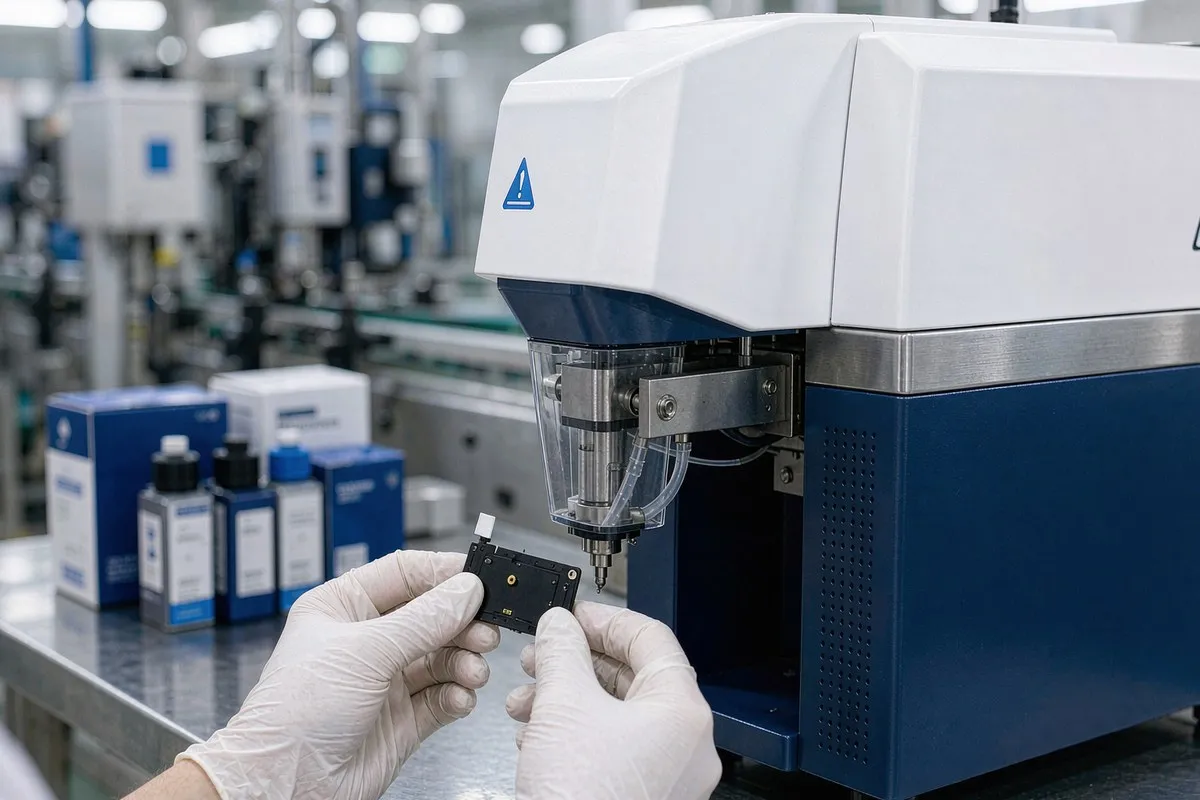
Das Zurücksetzen eines VJ Patronen-Chips funktioniert nur, wenn die Platine wirklich beschreibbar ist, und die Hälfte aller Chipfehler führt auf Kontakte, Sitz, Firmware oder Datumslogik zurück — der Chip selbst ist in Ordnung. Dieser Guide geht die funktionierende Reset-Sequenz durch, die fünf Prüfungen vorab, den ehrlichen Kostenvergleich zwischen Reset und Ersatz durch kompatible Chips und die Lagergewohnheiten, die Fehlerquoten nahe null halten.
Was der Tintenpatronen-Chip eigentlich tut
Jede Patrone, die in einen CIJ- oder TIJ-Coder wandert, trägt eine kleine Platine, die mit der Maschine spricht: Fluidtyp, Charge, Füllstand, Ablaufdatum. Stimmt die Antwort nicht, verweigert der Drucker den Start — falsche Fluidfamilie, abgelaufenes Datum oder ein Zähler, der leeren Tank meldet, obwohl er sichtbar voll ist. Die Verweigerung schützt die Druckqualität, macht den Verbrauchsstoff aber zur Abhängigkeit, und wer um sechs Uhr morgens vor einer stillstehenden Linie stand, kennt das Gefühl. Der Chip ist nicht der Feind. Unverifizierte Verbrauchsdaten sind es.
Wann ein Reset Sinn ergibt — und wann nicht
Ein Reset lohnt sich in drei Fällen. Erstens: Sie haben selbst nachgefüllt und der Streit mit dem Füllstandssensor will nicht enden. Zweitens: Eine Patrone wanderte in eine zweite Maschine derselben Familie, und der neue Host liest noch alte Daten. Drittens: Der Lieferant schickte einen Chip, der am Prüfstand korrekt liest, in der Halle aber einen Datumsfehler wirft — meist eine abgedriftete Innenuhr. Was ein Reset nicht kann: einen Chip wiederbeleben, dessen Speicher ab Werk auf einmalige Nutzung verriegelt ist. Bei einer Write-once-Platine kommt nur der Ersatz über den Zähler hinweg, und so zu tun, als ginge es anders, kostet eine Schicht.
VJ Patronen-Chip zurücksetzen: die funktionierende Sequenz
Maschine abschalten, bevor Sie etwas anfassen; Hot-Swapping ist der klassische Weg zu einer toten Steuerplatine. Patrone entnehmen, Chipkontakte auf Tintenfilm und Fasern prüfen und mit fusselfreiem Tuch und einem Tropf Isopropanol reinigen. Fest sitzen lassen — ein halber Millimeter Luft liest sich als intermittierender Kontakt und sieht exakt wie ein Fehler aus. Einschalten, die hauseigene Verbrauchserkennung laufen lassen und erst danach über ein Reset-Werkzeug nachdenken. Für die meisten VJ-Anwender heißt das Service-Menü oder ein Handgerät zur Neuprogrammierung, passend zur Chipgeneration. Korrekte Fluidreferenz, Charge und Ablaufdatum einschreiben, am Bildschirm verifizieren und vor der Freigabe ein Testmuster drucken. Die ganze Aufgabe dauert zehn Minuten, wenn der Chip wirklich rücksetzbar ist, und null Minuten, wenn nicht — Rücksetzbarkeit des Bestands also schriftlich beim Lieferanten bestätigen lassen.
Fünf Prüfungen, bevor Sie dem Chip die Schuld geben
Die meisten Chipfehler, zu denen ich gerufen werde, sind keine Chipfehler. Erst die Kontakte prüfen — eingetrocknete Tinte ist Ursache Nummer eins. Sitz der Patrone kontrollieren; Vibration läuft Patronen auf Linien mit schlechten Halterungen locker. Firmware prüfen: ein im letzten Quartal aktualisierter Coder kann Chips ablehnen, die für die Vorgängerversion validiert wurden. Datumslogik prüfen, denn manche Betriebe stellen für Schichttests die Uhr vor und vergessen das Zurückstellen. Und die Flüssigkeit selbst prüfen — ein voller Tank mit falschem Make-up-Verhältnis wirft Erkennungsfehler, die einem toten Chip gleichen. Fünf Prüfungen, fünf Minuten, und die Hälfte der angeblich toten Chips geht zurück an die Arbeit.
Reset oder Ersatz: was tatsächlich weniger kostet
Resets sehen gratis aus und sind es nicht. Eine Neuprogrammierung kostet Technikerstunden, und ein Chip, der zweimal in der Lebensdauer einer Patrone zurückgesetzt wurde, fällt gern mitten im Lauf erneut aus — der zweite Ausfall kommt immer bei der längsten Charge. Kompatible Ersatzchips, gekauft nach exakter Patronenreferenz und Validierungsdatum, kosten einen Bruchteil der OEM-Packungen und kommen mit konsistenter Speicherkarte. In Betrieben, in denen ich gearbeitet habe, liegt die Schwelle bei rund drei Resets pro Chip: darüber schlägt die geplante Ersetzung durch geprüften kompatiblen Bestand jeden Reset-Zyklus, bei Verfügbarkeit wie in der Buchhaltung. Reset-Werkzeug für Notfälle behalten, den Fuhrpark auf frischen Chips fahren.
Kompatible VJ Chips kaufen, ohne zu raten
Der Kompatibilitätsmarkt reicht von exzellent bis Deponie, und der Unterschied zeigt sich in drei Details. Fragen Sie die Chipgeneration explizit ab — eine Patrone der V4-Serie nimmt keine Platine einer älteren Familie, und vage Produktseiten verstecken das. Fragen Sie nach dem Validierungsdatum, nicht nur dem Produktionsdatum; Speicherzellen driften im Regal genauso wie Batterien. Fragen Sie, was passiert, wenn ein Chip an Ihrer Linie ausfällt: Ein Lieferant, der ohne Diskussion ersetzt, hat seinen Bestand bereits getestet; einer, der diskutiert, hat es nicht getan. Unser eigener Chips-Pool ist um diese drei Fragen gebaut, weshalb dieselben Kunden seit Jahren nachbestellen. Der Preis kommt zuletzt; ein billiger Chip, der den Füller stoppt, kostet mehr als jedes Originalteil je wird.
Lagergewohnheiten, die die meisten Chipfehler verhindern
Chips sterben öfter im Lager als im Drucker. Hitze flacht Speicherzellen ab — eine Kartonage Patronen auf dem Heizkörperregal ist eine Kartonage künftiger Fehler. Kondens in feuchten Hallen frisst Kontakte — antistatische Hüllen bis zum Einbau Moment behalten und kalte Lieferungen akklimatisieren lassen, bevor sie geöffnet werden. Bestand nach Validierungsdatum drehen und auf jedem Karton das Eingangsdatum vermerken; FIFO ist hier keine Bürokratie, sondern Verfügbarkeit. Betriebe mit diesen drei Gewohnheiten sehen Chipfehlerquoten nahe null, und die ganze Reset-Debatte wird akademisch.
Häufige Fragen
Deckt ein Reset-Werkzeug alle VJ-Generationen ab? Nein. Die Chipfamilien haben mehrfach gewechselt; Werkzeug und Patronenreferenz müssen passen, sonst riskieren Sie eine Speicherkarte, die der Drucker nicht liest.
Hebt ein Reset die Maschinengarantie auf? Verbrauchserkennung ist in den meisten Regionen eine Servicefrage, kein Garantiepunkt — aber vor dem Technikerbesuch im Wartungsvertrag nachsehen; Überraschungen dort sind teuer.
Wie verifizieren wir einen kompatiblen Chip vor der Produktion? Erkennungstest an einer Maschine, Musterschicht komplett drucken, dann ausrollen. Zwei Stunden Test schützen die ganze Woche.
Related products:
Ähnliche Neuigkeiten


E-Mail-Adresse:
Hotline:
Alle genannten Markennamen wie Linx, Imaje, Domino und VJ dienen ausschließlich zur Beschreibung der Produktkompatibilität.
Topmark unterhält keine Verbindungen, Genehmigungen oder Partnerschaften zu Herstellern von Industriedruckern und erhält keine offizielle Bestätigung von diesen.
Alle Produkte von Topmark sind kompatible Verbrauchsmaterialien von Drittanbietern und keine Original-OEM-Ersatzteile. Die genannten Marken gehören ihren jeweiligen Eigentümern.