English
 简体中文
 Русский
 Español
 ไทย
 Tiếng Việt
 Bahasa Melayu
 Bahasa Indonesia
 لالعربية
 Deutsch

Leadtech Make-Up Solvent Chip: A Buyer's Checklist for Plants
Release time:
2026-10-29
Leadtech make-up solvent chip sourcing guide: how to match chip and cartridge versions, avoid recognition faults, and screen suppliers before you commit.
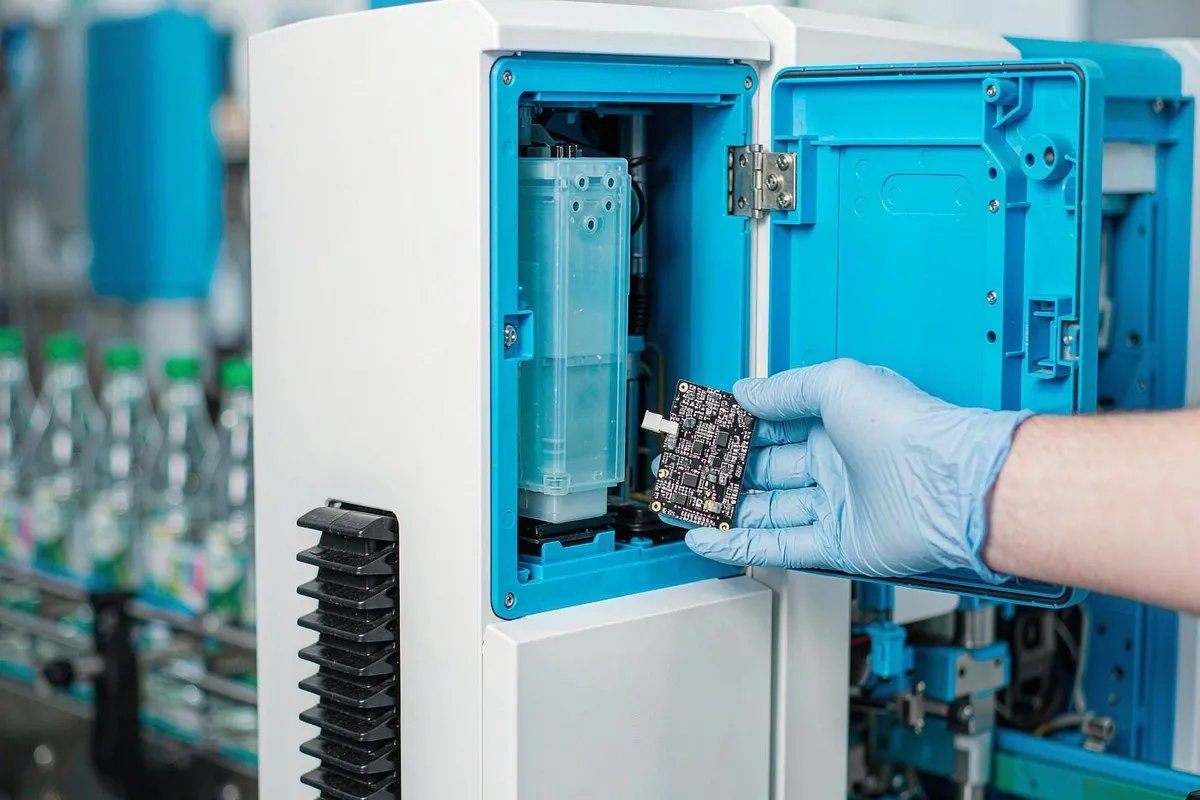
Summary: A Leadtech make-up solvent chip costs little and stops a lot, so buying it deserves more thought than it usually gets. This checklist covers how the chip handshake works, why recognition errors trace back to the chip more often than the printer, chip-only versus chip-on-cartridge trade-offs, and the supplier screening steps that separate validated stock from wiped re-marks on the used market.
What the Make-Up Solvent Chip Does, and Why It Exists
Make-up solvent is the quiet half of a CIJ printer's fluid system. Ink gets the attention, but solvent is what keeps viscosity where the print head expects it, replacing everything evaporation takes away during a shift. On Leadtech printers the fluid isn't just poured in - a small chip on the cartridge or bottle carries the handshake: fluid type, batch, remaining volume. No handshake, no fill. The machine locks the fluid path and waits. That's the whole job of a Leadtech make-up solvent chip, and it's why a tiny plastic part can idle a production line.
When the Printer Stops Recognizing the Chip
The failure pattern is easy to recognize once you've seen it a few times. A fresh cartridge goes in, the machine chirps an error instead of counting fluid. Sometimes the counter freezes halfway through a shift. Occasionally the printer accepts the chip, runs fine, then forgets it after a power cycle. Maintenance teams that haven't met this before tend to blame the printer. Nine times out of ten the chip is the variable that changed - particularly if the last batch came from a different supplier than the one before it.
Chip-Only Versus Chip-on-Cartridge: Pick Deliberately
You can buy a Leadtech make-up solvent chip as a bare chip, or pre-mounted on a filled cartridge. Bare chips suit plants that buy solvent in bulk and re-use their own containers; the chip goes onto the container and the line keeps moving. Pre-mounted versions cost more per liter but remove the mounting step entirely. I've walked through plants doing hundreds of liters a month where bare chips paid for themselves within a quarter, and smaller shops where the pre-mounted route avoided every mounting mistake they used to make. Neither is wrong. Guessing is.
Matching the Chip to Your Exact Model
Leadtech's fluid family isn't one-size. Make-up differs from cleaner, and the chip variants differ with the printer generation. Before ordering, pull three facts off the line: the printer model number from the rating plate, the fluid part code printed on the cartridge you're replacing, and the chip type that failed or is about to. A photo of the old chip's contact side is worth more than any catalog description. Suppliers who ask for that photo before quoting are the ones who ship the right part the first time.
Comparing Suppliers Without Getting Burned
The market has three tiers. Original parts - fine, budgeted for. Then compatible chips from established manufacturers, where quality is consistent and pricing runs well under original. And then the bottom tier: re-marked or recycled chips whose counters have been wiped, which may read as full when they're empty or fail within weeks. My screening list is short. Ask which factory produced the chip. Ask for batch photos from actual stock. Order a trial quantity and run it for a month before committing. A supplier who balks at any of those has told you something.
Reading the Price Spread Honestly
Price gaps between tiers look arbitrary until you cost the failure. A chip that saves you two dollars and dies mid-shift costs a line stop, a wasted cartridge, and a maintenance technician's afternoon. Compute what one hour of stopped output costs your plant, then re-read the quotes. That exercise settles most purchasing debates in a meeting or two. It also explains why plants running VJ or DM fleets alongside Leadtech tend to standardize on one validated-chip supplier for all of them - one claim channel, one quality bar, fewer surprises.
Installation and First-Print Verification
Fitting the chip takes minutes. Power the printer down or follow the hot-swap procedure for your model, seat the chip with the contact side oriented as the old one was, and power back up. What matters is the verification: confirm the fluid counter starts from the expected value, run a test print for a full shift, and check that no fluid alarm appears on restart the next morning. Log the chip's batch code against the printer's service record. Six months of that log turns chip purchasing from argument into arithmetic.
FAQ
Can a compatible chip damage the printer? A well-made compatible chip is electrically passive to the printer - it reports data, nothing more. Failures come from poor contacts or bad data, not from the chip harming the machine. Clean the contacts with isopropyl alcohol before seating a new chip; a surprising share of "dead chip" calls trace to flux residue on the reader.
How many spare chips should a plant stock? One per active fluid line per printer, plus one. Chips are cheap; the stoppage they prevent is not.
Do Leadtech chips work across all Leadtech models? No - verify model and fluid code every time. The rating plate and the old cartridge tell you everything a supplier needs.
For more on CIJ TIJ consumables and compatible chips, browse our industry insights.
Related products:
related news


E-mail address:
Hotline:
All referenced brand names including Linx, Imaje, Domino, VJ are used solely for illustrating product compatibility scope.
Topmark has no affiliation, authorization, partnership or official endorsement with any industrial printer manufacturers.
All products offered by Topmark are third-party compatible consumables, not genuine original OEM spare parts.
No trademark ownership is claimed for any trademarks mentioned herein.