English
 简体中文
简体中文 Русский
 Español
 ไทย
ไทย Tiếng Việt
 Bahasa Melayu
 Bahasa Indonesia
 لالعربية
 Deutsch
Coding Machine Repair: When to Fix It Yourself vs Call Service
Release time:
2026-09-05
A coding machine stops earning when a fault idles the line. See how plants decide between in-house repair and a service call, and which spares to keep on hand.
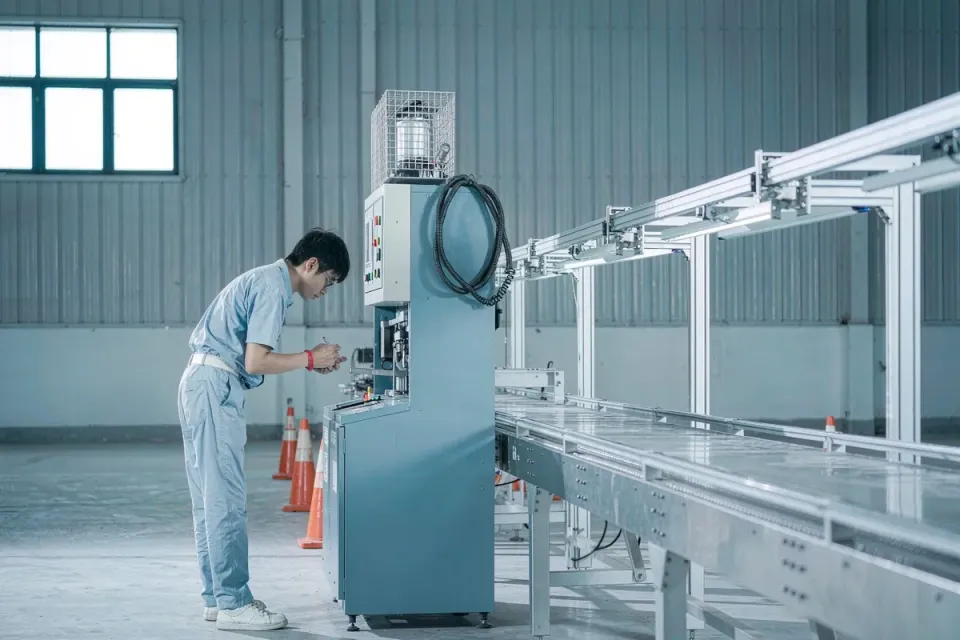
Summary: Coding machines fail on a schedule that never suits production. The real choice is not repair vs replace, but which faults a plant can own in-house and which need a service tech. Stocking the right compatible spares keeps the line moving between visits in the long run.
Every plant with a coding machine eventually faces the same question at the worst moment: fix it now, or wait for a service tech. The answer is rarely the same twice, but the decision framework is. Sort faults by what they touch, and most stoppages fall into two buckets — the ones your own bench can clear, and the ones that need a trained hand.
Faults You Can Usually Own In-House
Nozzle clogs, low-fluid alarms, and bad batch reads from a dirty sensor are routine. A trained operator clears most in minutes with the right tool and the right fluid. Keep a small coder-specific kit on the line: solvent, wipes, a spare nozzle, and the reader-cleaning swabs the manual never mentions. On VJ or DM platforms the menus differ, but the failure modes are close enough that one checklist covers both.
When the Recognition Chip Is the Culprit
A surprising number of "machine faults" are really recognition faults. The coder reads the chip, the chip says the cartridge or settings are wrong, and production stops until someone resets it. A qualified compatible chip holds the link at a fraction of original cost, but only if recognition stays stable across the run. Swap a suspect chip before you call a tech — it is the cheapest diagnostic step there is, and it rules out the most common cause fast.
Spares That Earn Their Shelf Space
Stock the parts that fail on a clock, not the parts that fail once a decade. Nozzles, pump seals, and reader boards top the list. For lines running VJ machines, a small holding of VJ compatible chips covers the recognition faults that eat the most shift time. The point is not to hoard — it is to hold exactly the spares that turn a four-hour wait into a ten-minute fix.
Calling Service Without Wasting the Visit
When you do call, call smart. Log the fault code, the time, and what was running. A tech who arrives with the right board already in hand fixes in one trip what otherwise becomes three. Plants that treat service as planned maintenance rather than panic fire-fighting get shorter downtime and lower invoices, because the visit is scoped before the van leaves.
Building a Repair Routine That Sticks
None of this needs a maintenance department. Keep one fault log per machine, note what cleared each stoppage, and review it quarterly. Patterns show up fast — the same fault every third week points at a wearing part, not bad luck. Over a year that log does more for uptime than any single repair, because it tells you which spares to stock before the next failure, not after.
For more on CIJ TIJ consumables and compatible chips, browse our industry insights.
Related products:
related news


E-mail address:
Hotline:
All referenced brand names including Linx, Imaje, Domino, VJ are used solely for illustrating product compatibility scope.
Topmark has no affiliation, authorization, partnership or official endorsement with any industrial printer manufacturers.
All products offered by Topmark are third-party compatible consumables, not genuine original OEM spare parts.
No trademark ownership is claimed for any trademarks mentioned herein.