English
 简体中文
简体中文 Русский
 Español
 ไทย
ไทย Tiếng Việt
 Bahasa Melayu
 Bahasa Indonesia
 لالعربية
 Deutsch
Trade Show Takeaways: Buyers Vet Compatible CIJ TIJ Suppliers on the Floor
Release time:
2026-09-03
Recent CIJ TIJ coding expos show buyers qualifying compatible suppliers on the floor via batch traceability, demo-line chip recognition, and total-cost proof.
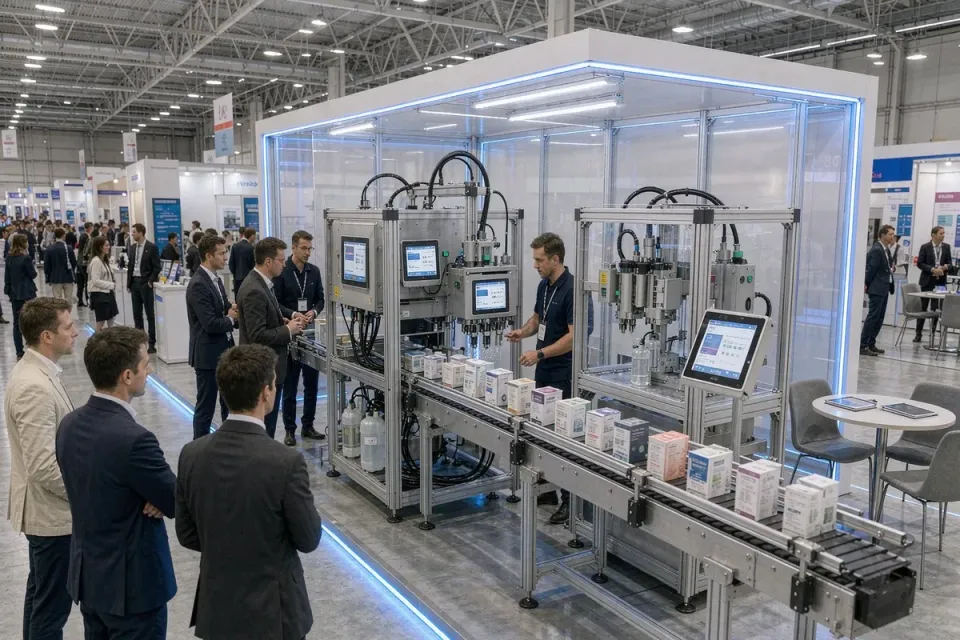
Summary: Buyers at recent CIJ TIJ coding expos now qualify compatible suppliers on the floor instead of watching OEM demos. This piece covers what they check — batch traceability, demo-line chip recognition, total-cost proof — and why a show conversation is becoming the start of a standing supply agreement.
Trade shows used to be where buyers collected brochures. The recent round of CIJ TIJ coding expos looked different. The booths drawing crowds were not the ones with the loudest OEM demos — they were the ones where a compatible supplier could answer a traceability question without flinching. Procurement people are arriving with a checklist now, and the checklist is about proof, not promises.
Demo Lines, Not Sales Pitch
The fastest way to lose a buyer on the floor is to talk about a cartridge and never run it. Suppliers that brought a working demo line — a VJ or DM printer running their compatible chip live — got the long conversations. Recognition rate, first-pass print quality, and how the chip behaved after a restart told the story better than any spec sheet. Buyers remembered the booth where the machine actually printed.
Batch Traceability Becomes the Gate
A compatible supplier without batch records does not make the shortlist anymore. Plants want to see the production date and the recognition-test log behind the chip before they put it near a regulated line. The suppliers who had that documentation ready at the booth — not “we can send it later” — were the ones booked for a follow-up. Traceability is no longer a nice-to-have; it is the entry fee.
Total Cost Over the Show Discount
Show specials still get signed, but they do not close the relationship. Buyers compare the total cost of running a line for a year — downtime from a bad chip, freight, re-qualification labour — against the unit price. A supplier offering a small discount but no batch proof loses to one charging more with full documentation. The math is quiet, and it decides the contract.
Where Compatible Chips Earn the Meeting
The chip is the component buyers probe hardest at a show, because it carries the identification data the printer reads and it is consumed on the same schedule as the ink. A compatible chip that passes a demo-line recognition test and ships with a batch log is what turns a floor chat into a sample order. For VJ and DM platforms, that chip is usually the first thing a plant qualifies.
From Booth to Standing Agreement
The takeaway is not that shows are for buying. They are for qualifying. A good floor conversation sets the terms of a standing agreement: one qualified compatible partner, batch-tested chips, demo-proven recognition, and total-cost transparency. Buyers leave with fewer vendors in mind and more confidence in the ones left. That is the part of the expo that actually shows up in the purchase order later.
For more on CIJ TIJ consumables and compatible chips, browse our industry insights.
Related products:
related news


E-mail address:
Hotline:
All referenced brand names including Linx, Imaje, Domino, VJ are used solely for illustrating product compatibility scope.
Topmark has no affiliation, authorization, partnership or official endorsement with any industrial printer manufacturers.
All products offered by Topmark are third-party compatible consumables, not genuine original OEM spare parts.
No trademark ownership is claimed for any trademarks mentioned herein.