English
 简体中文
简体中文 Русский
 Español
 ไทย
ไทย Tiếng Việt
 Bahasa Melayu
 Bahasa Indonesia
 لالعربية
 Deutsch
Ink Adhesion and Drying Speed Reshape CIJ TIJ Coding Quality 2026
Release time:
2026-08-13
Ink adhesion and drying speed reshape CIJ TIJ coding quality in 2026, driving compatible ink reformulation and substrate-specific validation for B2B buyers.
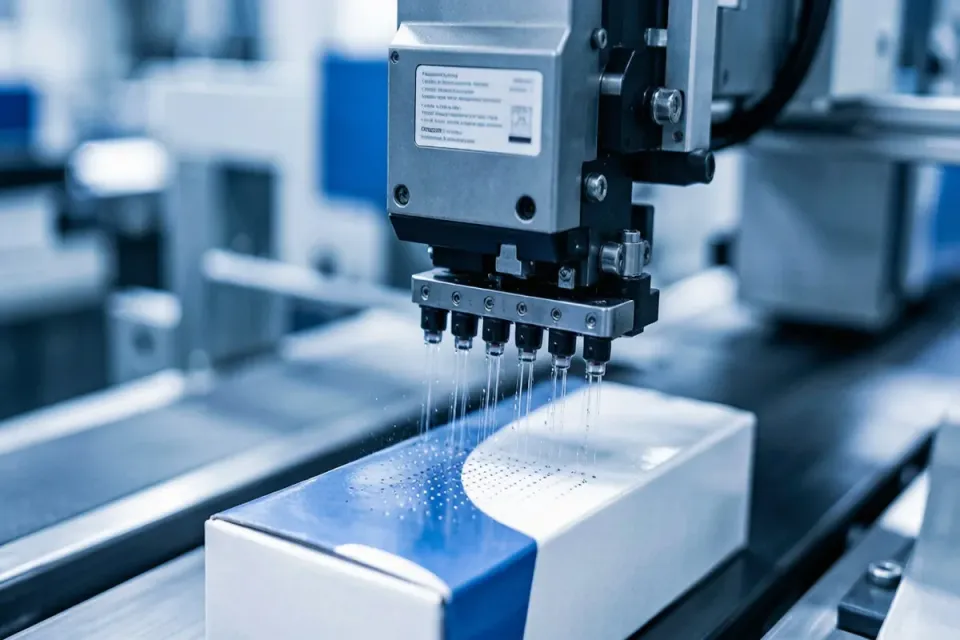
Summary: Ink adhesion and drying speed are reshaping CIJ and TIJ coding quality in 2026, as faster packaging lines and diverse substrates push compatible ink reformulation. Low-VOC fluids, surface treatment workflows and substrate-specific validation help B2B buyers secure smear-free, durable codes and steady line performance with fewer rejects.
Ink adhesion and drying speed are becoming decisive factors in CIJ and TIJ coding quality in 2026. As packaging lines run faster and substrates diversify, compatible ink suppliers are reformulating fluids so that codes cure quickly, bond to difficult surfaces and survive downstream handling without smearing, and buyers are adding adhesion test data to their qualification checklists.
Ink Adhesion Science for Challenging Substrates
Challenging substrates, such as glossy films, coated cartons, foil laminates and recycled board, expose real differences between inks. Compatible CIJ TIJ consumables now need balanced surface tension and solvent evaporation rates so droplets wet the surface and bond before the code leaves the line. Suppliers that publish adhesion data across substrate families help B2B buyers match ink to packaging without costly trial-and-error.
Drying Speed Optimization for High-Speed Packaging Lines
On high-speed packaging lines, drying speed sets the minimum distance between printhead and downstream handling. Slow-curing inks smear at rollers, stackers and checkweighers, forcing production slowdowns. Compatible ink reformulation focuses on faster solvent release and thinner ink films while keeping jet stability, so line speed no longer sacrifices code legibility.
Low-VOC Formulations Keep Adhesion and Cure Performance
Low-VOC inks are no longer a niche option. New formulations cut solvent emissions and odor without giving up adhesion or cure speed, supporting food packaging compliance and indoor air quality targets. Buyers evaluating low-VOC compatible inks should request migration and adhesion test reports before approving them for high-value packaging lines.
Surface Treatment Workflows Before CIJ Coding
Substrate condition often decides whether adhesion testing passes or fails. Moisture, dust, release agents and corona treatment levels change how ink droplets bond. Factories are standardizing surface preparation workflows, including cleaning, corona and primer steps, before CIJ coding, and compatible ink suppliers now offer guidance matched to each substrate family.
How B2B Buyers Validate Ink Performance Data
For procurement teams, validating ink performance means requesting dry-time and adhesion test data, running pilot prints on the actual packaging substrate and confirming jet stability at line speed. Buyers that link ink selection to substrate testing protect print quality, reduce rejects and keep production running through 2026's faster packaging environment.
Related products:
related news


E-mail address:
Hotline:
All referenced brand names including Linx, Imaje, Domino, VJ are used solely for illustrating product compatibility scope.
Topmark has no affiliation, authorization, partnership or official endorsement with any industrial printer manufacturers.
All products offered by Topmark are third-party compatible consumables, not genuine original OEM spare parts.
No trademark ownership is claimed for any trademarks mentioned herein.