English
 简体中文
简体中文 Русский
 Español
 ไทย
ไทย Tiếng Việt
 Bahasa Melayu
 Bahasa Indonesia
 لالعربية
 Deutsch
Citronix Make-Up Solvent Chips Wholesale: A Buyer's Checklist
Waktu rilis:
2026-10-11
Buying Citronix make-up solvent chips at wholesale: baseline your consumption, check fill and batch claims, compare landed cost and avoid the MOQ trap.
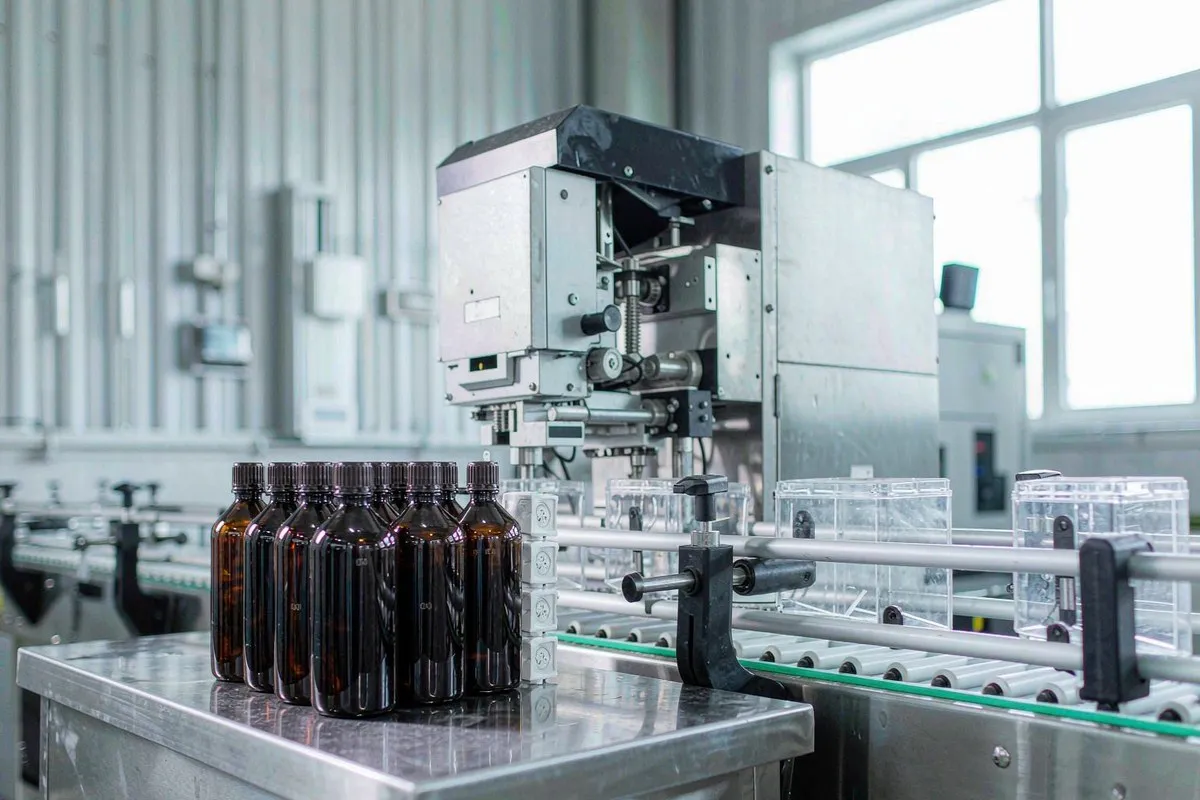
Summary: A make-up solvent chip is the handshake that lets a top-up run without an engineer at the machine, which is why the purchase deserves more care than it usually gets. This guide covers how to baseline solvent consumption, what separates a compatible chip from a firmware mismatch, how to read fill and batch claims, why production dates belong in the purchase order, and the landed cost comparison that ends the MOQ argument.
The Line Item Everyone Orders Last
Nobody gets excited about a make-up solvent chip. On most consumable lists it sits between the ink cartridge and the filter, ordered whenever somebody finally remembers. Then a coder on the second shift refuses a fresh bottle and the line stands still over a part that costs less than the lunch run.
I have watched that pattern repeat across Citronix installations for years. The chip isn't complicated. The way it gets purchased usually is.
What the Chip Actually Certifies
A make-up chip is the coder's proof that the fluid in the bottle is the fluid it expects. The head reads it before the valve opens. Fluid identity, nominal fill, and the batch data the printer writes into its own log. Three fields, and any one of them wrong stops the job dead.
So you are not buying a plastic tag with a connector. You are buying the handshake that lets a top-up happen without an engineer standing at the machine. Once you look at it that way, price per piece stops being the interesting number.
There is a second layer most buyers never see. The coder keeps the batch record. When a customer audit asks which solvent lot went into which production window, that record is the answer. A chip that writes incomplete batch data leaves a hole in your traceability, and traceability gaps are expensive in a way that is hard to forecast at the purchasing desk.
Baseline Your Solvent Consumption Before You Talk Volume
Pull twelve months of make-up orders and put them next to your print duty. How many shifts, how many marks, ambient temperature through the year. Make-up consumption is not a fixed rate; it tracks how hard the head works and how warm the room gets.
Two sites running identical Citronix lines can differ by a third on solvent volume. Sites that never checked assume they are the same. That assumption is what makes the first bulk quote look either like a bargain or like a trap, depending on which month it arrives.
Write the number down per line, not per plant. A plant average hides the head that drinks solvent because its nozzle is partly blocked, and it hides it until somebody reconciles the invoices.
Original Reference Versus Compatible
The original part is the safe default and it is priced like it. A compatible make-up solvent chip that mirrors the same three fields does the same job inside the coder, at a materially lower unit cost.
The failure mode is not "wrong fluid." It is a chip that half-matches your firmware revision. The printer accepts it once, logs a partial fill, then throws an identity fault three hours into a run. That kind of fault looks like a machine problem and gets investigated like one for an entire shift.
Read Fill and Batch Claims Honestly
Suppliers quote litres and they quote hours of running. Only one of those is a specification. Hours depend on your head, your settings, and how long the machine idles between jobs.
Ask for the litre figure and the make-up ratio that applies to your fluid. Apply your own duty cycle on top. When a supplier cannot give you the ratio, they are moving boxes rather than supporting machines, and you will find that out in the first cold week of the year.
Shelf Life, Storage and the Summer Shipment
Solvent fluids do not improve with age. A bottle that spent two summers in a warm warehouse behaves differently from one packed last month, and the symptom is unstable viscosity rather than an obvious failure at start-up.
Put production dates in the purchase order, not in a phone promise. Refuse bulk stock landing with less than half its shelf life remaining. Store upright, out of direct sun, away from the coder's own heat. A pallet parked beside a compressor is a pallet you will replace early.
Landed Cost and the MOQ Trap
Unit price is the number everyone compares and the least useful one on its own. Ask for landed cost: carton, freight, duty, and the quantity that unlocks the next tier.
Then watch a very low unit price sitting behind a very high minimum order. Holding eighteen months of solvent to save four percent is a poor trade when shelf life and working capital are both on the line. Two shipments a year usually beat one enormous one, even at a slightly worse rate.
Three Checks Before the First Carton Moves
Can they show batch traceability when asked? Is there a written position on a bottle that fails on arrival? And can a technical person get on the phone when a chip will not read? I will pay a little more for a supplier who answers all three without hesitating.
Put the findings on one page. Machine models and firmware confirmed. Citronix cartridge references verified against your own register. Production dates written into the contract. Annual volume split by line and projected from your own history. Delivery lead time on paper. Most of the risk in this purchase is gone before anything ships, and none of it required a meeting.
For more on CIJ TIJ consumables and compatible chips, browse our industry insights.
Related products:
Berita Terkait


Alamat email:
Hotline:
Semua nama merek yang disebutkan termasuk Linx, Imaje, Domino, VJ hanya digunakan untuk menjelaskan cakupan kompatibilitas produk.
Topmark tidak memiliki afiliasi, izin kerja, kemitraan atau dukungan resmi dengan produsen printer industri mana pun.
Semua produk Topmark adalah konsumabel kompatibel pihak ketiga, bukan suku cadang OEM asli. Hak merek dagang sepenuhnya milik pemilik masing-masing.